
On October 17, 1987, in reply to Joseph Wresinski’s appeal, 100,000 defenders of human rights gathered together on the Trocadero Plaza in Paris to express their refusal of extreme poverty, and to call on humankind to unite and ensure the respect of human rights. A Commemorative Stone proclaiming this message, was inaugurated on this occasion on the Plaza of Human Rights and Liberties (formerly Trocadero Plaza), at the place where the Universal Declaration of Human Rights was signed in 1948.
The 100,000 people attending were citizens from all walks of life and all backgrounds. Some represented high-level international, national, or local governing bodies. Others were individuals and families living in chronic poverty themselves and struggling against it daily.
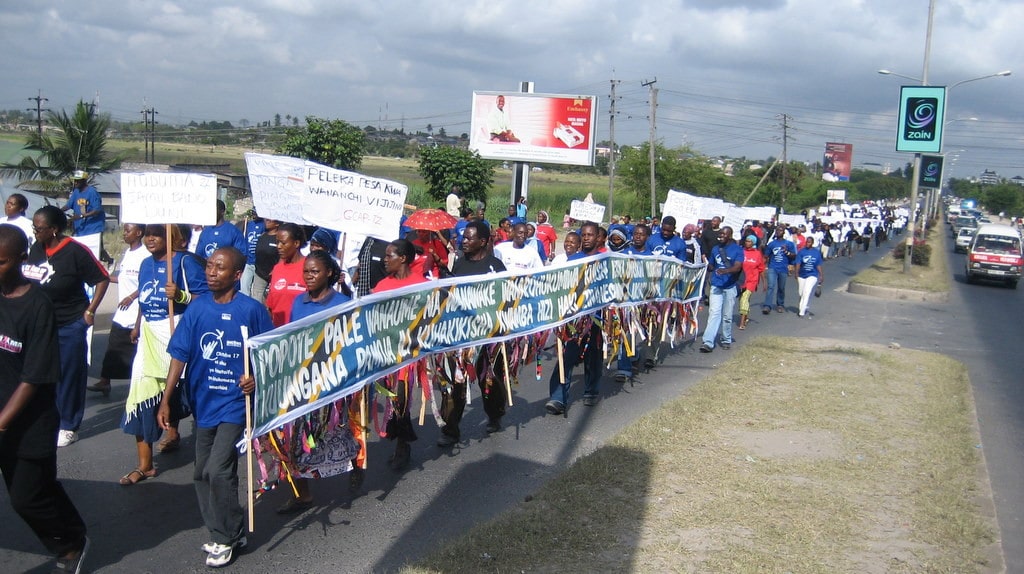
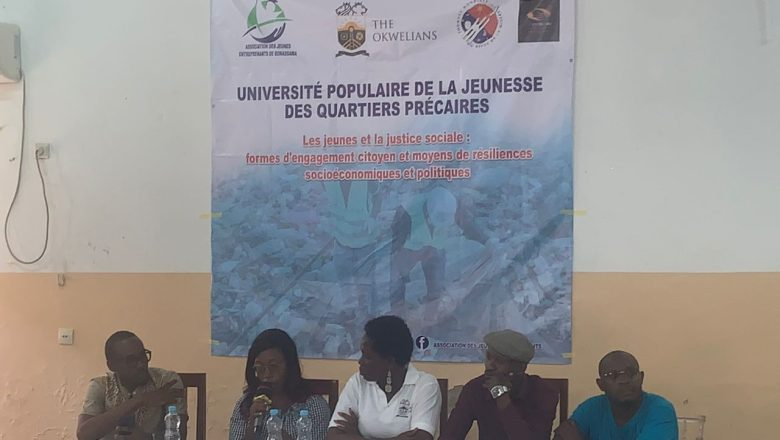
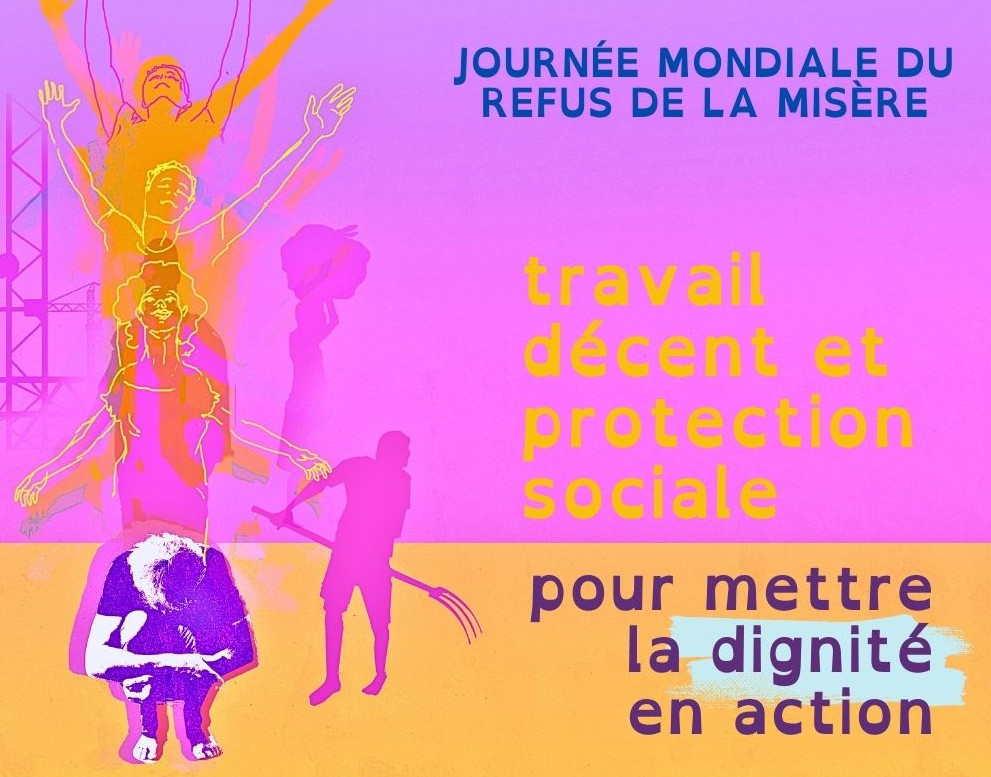
Since then, on the 17th of October each year, the poorest and all those who reject extreme poverty and exclusion gather throughout the world to express their solidarity and their commitment to ensure that everyone’s dignity and freedom are respected. This is the origin of the World Day to Overcome Extreme Poverty.
On October 17, 1992, Mr. Javier Perez de Cuellar, former Secretary General of the UN, on behalf of a group of prominent international figures assembled in the Committee for the World Day to Overcome Extreme Poverty, called for the recognition of October 17. On December 22, 1992, the General Assembly of the United Nations declared October 17 the "International Day for the Eradication of Poverty". Ever since, initiatives to observe this day have been constantly increasing. In many places, gatherings are also held on the 17th of each month.
Today, the Committee for the World Day to Overcome Extreme Poverty suggests that all who wish to observe this day respect the following principles.
1. Suggestions on how to respect the history and the spirit of the day
Recall the history of this day, coming from the initiative of people in extreme poverty themselves.
Read the text of the Trocadero Commemorative Stone.
Identify and support those who are not able to attend because they are too overwhelmed by extreme poverty.
Organize this day as a day of unity and peace during which everyone "sets aside their differences" by agreeing to come together around the poorest who, throughout the world, are dealing with the harsh realities of poverty and violence.
Highlight during this day individuals and families living in chronic poverty who are the foremost defenders of human rights, promote their active participation, and place their messages at the heart of all gatherings and initiatives. Provide opportunities for genuine meetings between people in extreme poverty, people committed to working with poor communities, and other citizens around the common determination to resist extreme poverty.
Throughout the world, people in extreme poverty are forced to live in shame. The World Day to Overcome Extreme Poverty should enable them to reinforce their dignity and to free themselves from dependence on handouts.
2. To invite all people and institutions to come together and to express their rejection of extreme poverty, we should
Enable children and youths to be aware of human rights and of the struggle against extreme poverty by involving the school system, the press, and children and youth movements. They should be given the opportunity to express their own opposition to the exclusion of other children and young people.
Involve various groups representing civil society (organizations; trade unions, mass media,...) without turning the event into a publicity opportunity.
Elicit the contribution and support of the international community. Provide local, national, and international governing bodies with the opportunity to show their solidarity without turning the day into a platform for promoting any particular personal or political agenda.
Enable all citizens to show their solidarity and to renew their commitment by performing an act that is meaningful in their country’s culture and that respects the spirit of the day;
It is requested that those who organize an observance of this day make sure that messages (texts, photos, films,...) and events respect the dignity of the people involved.
English
From 155 countries
continue
continue
continue


